
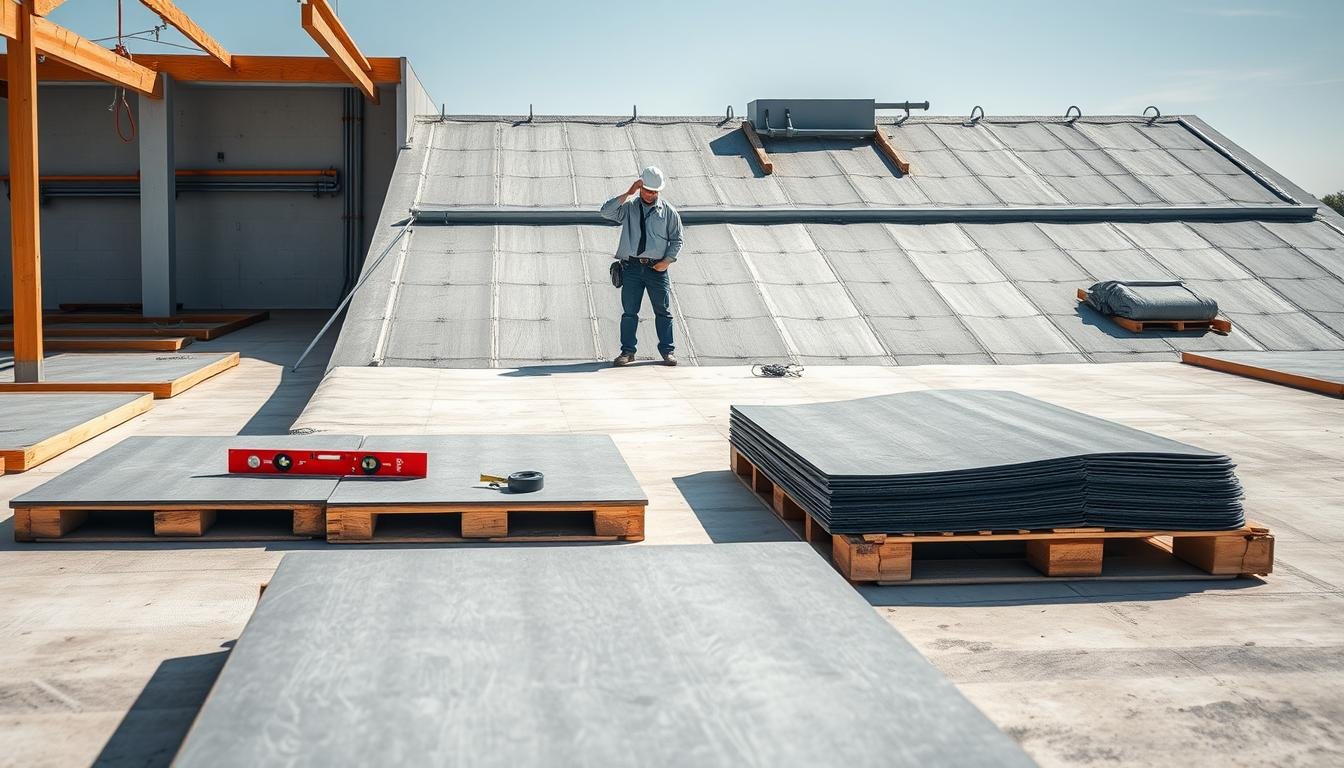
Have you ever wondered why some flat roofing sheets last for decades while others fail prematurely? The secret often lies in the substrate preparation and surface requirements. Properly preparing your substrate is crucial for ensuring strong adhesion and long-term performance of your flat roofing sheets. When it comes to flat roofing sheets, understanding the nuances of substrate preparation can make all the difference.
In this section, you will explore the various types of substrates, including metal roof sheeting and corrugated roofing panels. Each type demands specific preparation techniques to achieve optimal results. VULCAN Plastics flat roofing sheets are designed to meet rigorous standards, ensuring that they perform effectively when installed on well-prepared surfaces. For those investing in flat roofing sheets, neglecting these essential steps can lead to coating failures, voided warranties, and expensive repairs down the line.
Key Takeaways
- Substrate preparation is vital for flat roofing sheets’ durability.
- Different substrates require unique preparation techniques.
- VULCAN Plastics provides high-quality flat roofing sheets.
- Proper preparation helps avoid costly repairs and warranty issues.
- Understanding surface requirements is key to successful installation.
Why is Substrate Preparation Important for Flat Roofing Sheets?
Substrate preparation is a crucial step when installing flat roofing sheets. Proper preparation ensures that your roofing system adheres well, maintains waterproofing integrity, and upholds manufacturer warranties. This process helps prevent issues like blistering and delamination, which can lead to costly repairs.
Understanding the right materials and methods for substrate preparation can make a significant difference in the longevity of your roofing system. Here are some essential materials to consider:
What Materials Should You Consider for the Substrate?
- Corrugated roofing panels
- Metal roof sheeting
- Wood or concrete decking
Each of these materials requires specific cleaning and repair methods. For example, corrugated roofing panels may need to be inspected for rust, while metal roof sheeting should be free from oils and debris.
How Do You Ensure a Smooth Substrate for Flat Roofing Sheets?
To ensure a smooth substrate, follow these steps:
- Clean the surface thoroughly to remove oils, chalk, and biological growth.
- Verify moisture content to prevent future issues.
- Profile the surface to enhance adhesion.
- Select compatible primers that bridge chemical differences.
VULCAN Plastics emphasizes the importance of these steps to maximize the performance of their flat roofing sheets. Proper substrate preparation can significantly enhance the durability and effectiveness of your roofing system.
What Common Mistakes Should You Avoid in Substrate Preparation?
Avoid these common mistakes during substrate preparation:
- Assuming the surface is dry without checking moisture levels.
- Using incompatible primers that can lead to adhesion failure.
- Neglecting to clean the surface adequately.
By following the correct procedures and avoiding these pitfalls, you can ensure your flat roofing sheets perform optimally in substrate preparation to protect your investment and extend the life of your roofing system.
What Surface Requirements Must Flat Roofing Sheets Meet?
When installing flat roofing sheets, understanding surface requirements is essential. Proper preparation ensures that your roofing materials, like PVC roofing membrane, EPDM rubber roofing, and TPO flat roof material, perform optimally. Here are the key surface requirements to consider:
- Cleanliness: The surface must be free from dirt, debris, and contaminants.
- Moisture Limits: Excess moisture can lead to adhesion issues.
- Surface Energy: Adequate surface energy is necessary for effective bonding.
To assess the condition of your existing roof, you can use several techniques. These methods help identify any issues that could affect your flat roofing sheets:
How Can You Check the Condition of Your Existing Roof?
- Visual Surveys: Inspect for visible damage or wear.
- Moisture Meters: Measure moisture content in the roofing material.
- Infrared Thermography: Detect hidden moisture and thermal anomalies.
After evaluating the roof’s condition, you may need specific surface treatments to enhance the performance of your flat roofing sheets. VULCAN Plastics offers solutions compatible with various membrane types.
What Specific Surface Treatments Enhance Flat Roofing Sheets’ Performance?
- Biocidal Washing: Removes algae and moss, improving adhesion.
- Power Washing: Eliminates contaminants and prepares the surface.
- Priming: Tailored primers for PVC roofing membrane, EPDM rubber roofing, and TPO flat roof material ensure better bonding.
VULCAN Plastics designs their flat roofing sheets to integrate seamlessly with these treatments. This ensures superior adhesion and durability across diverse climates in the USA.
How Does VULCAN Plastics Enhance Flat Roofing Sheets?
VULCAN Plastics stands out in the market for flat roofing sheets by offering high-quality solutions tailored for various applications. Their products, including fiberglass roofing sheets and bitumen roofing felt, are designed to meet stringent industry standards. This commitment to quality ensures that your roofing needs are met with durable and reliable materials.
When selecting flat roofing sheets for your project, consider the unique features of VULCAN Plastics’ offerings. These sheets are compatible with a range of substrates and environmental conditions. You should evaluate your project specifications and the specific requirements of your roofing system. VULCAN Plastics provides technical guidance to help you make the right choice, ensuring optimal performance and longevity.
Choosing VULCAN Plastics for your flat roofing sheets means investing in long-term durability. Their products resist weathering and come with strong warranty support. This ensures that your roofing investment remains protected and valuable over time. With VULCAN Plastics, you can trust that your flat roofing sheets will deliver exceptional performance for years to come.